
On Believing then Knowing
Philemon of Gaza and Faith Beyond Ourselves

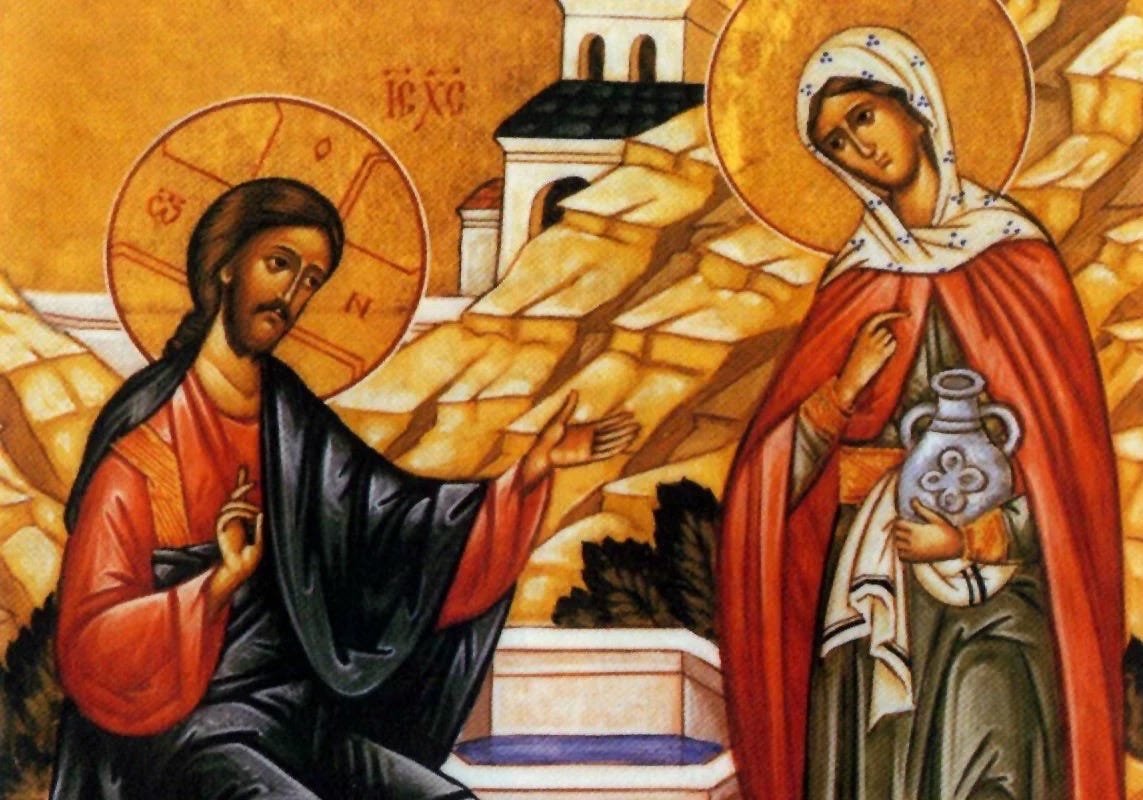
I’m venturing into a new world of Substack tomorrow, March 3rd 8:30am MT, with a Substack Live recording with my new friend Edward Hill. In a long and roundabout way, Ted is how I have come to know and appreciate the work of Philemon of Gaza. I was introduced to Ted by our mutual friend Bradley Jersak, but it then transpired that Ted had introduced my Spiritual Director to Philemon of Gaza, who had then invited me to read him too! When Ted and I had breakfast in Calgary recently we discovered multiple friends in common. It’s really a wonder that we only just met, but we’re both thankful for our ancient friend Philemon, for getting us acquainted.
UPDATE: Here is the recording of the chat:
Ted asked me to share a paragraph on why I have come to enjoy the monk from Gaza’s writings, and I attempted to explain it by saying this:
“What I have come to appreciate and find compelling about Philemon of Gaza is that he sounds like a voice for our times that sounds nothing like a voice from our times. He identifies the tensions of life but offers different perspectives and solutions. For example, he seems to refuse to see the inner workings of our interior spirituality as deeply connected to the life of the church. His idea of faith is far from exclusively individualistic. He offers that clarity, characteristic of the Church Fathers, that the life with Christ is not one of upwards-to-the-right self-improvement but participation in Jesus’s humility. He sees weakness, poverty, and justice as things we should pay attention to but he never seems to sentimentalize them. Our prayer lives are not simple psychology, but sacramental, embodied, and, importantly, “with the Church”. There is a steadiness in him, plus a good tension — he seems to insist that the Spirit’s work is both fiery and ordered. I think I like him mostly, however, because I see in him something I believe to be deeply true: The deepest renewal comes not through intensity alone, but through a life formed patiently within the Church’s worship, discipline, and communion.”
•
This week’s lectionary readings draw us into the famous story from John 4 (5-42) of Jesus’s meeting of the woman at the well. I was particularly fascinated by how Philemon’s contemplations on the response aligned with themes we’ve tracked on Transfiguration Sunday, and this past weekend of Lent 2 as well. Themes such as hearing over seeing, trust over knowledge, and even a comment about “leaping”. So I asked Ted if he’d be open to chatting with me about this particular piece from Philemon’s meditations on the gospel of John, and we decided we’d do it live on Substack to make it helpful (I hope) for you all as well.
Here’s an extract of what Philemon says about John 4:28-42 to give you a sense of what we’ll be discussion tomorrow:
They had heard Jesus, with nothing said about what they saw in the way of the exceptional or miraculous, and they believed in him. This is truly magnificent! The faith of these people was not based on miracles; it lay deeper, in the unseen, and this, for me, is a sign of its value, of its spiritual truth. They heard Jesus, but nothing is reported of what he told them. This is also most astonishing! They say nothing of what they heard, and yet they believed! They also heard the Samaritan woman, and we know what she told them, but, for them, Jesus’ words were no doubt of greater value than hers. She told them he was the Messiah, but with restraint. She truly believed in him, but she spoke to them only in the form of a question: Might he not be the Messiah? This restraint is magnificent, and they were touched by it; they noticed that she was convinced, but that she humbly did not impose her point of view on them. However, what touched them most was not what they received from her, but what they received from Jesus; it was this that made them jump from seeing him as the Messiah to the Savior of the world, from the greatest of men to God. This was a huge leap!
“We believe and we know”: their knowledge now rested on their faith and not the other way around! This is magnificent! Many people believe based on their knowledge; their faith flows from their intellect. How miserable! For the Samaritans, it was the opposite, and so much more accurate because human knowledge is too fragile to base faith on; knowledge that precedes faith is unbelief, without God, and such knowledge is like a landscape without sunlight; it lacks the one essential element. True knowledge, on the other hand, begins with faith, with God, and relies on him if it is to unfold. They were right, and they concluded from their faith and their knowledge that Jesus is God and not simply the Messiah.1
•
All that to say, please join us tomorrow and we’ll explore this wonderful writer a little more. I hope it will be fun.
Philemon of Gaza Meditates John’s Gospel (pp. 127-128)