
Where are the Shepherds?
Bonhoeffer on Jesus’s call to his disciples

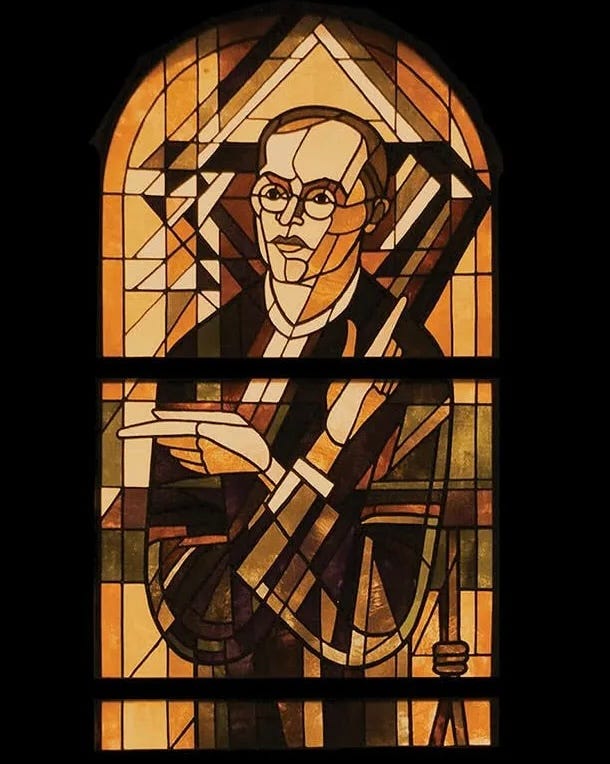
In Dietrich Bonhoeffer’s classic popular work Discipleship, he considers the Gospel text for Proper 6 (11) that we will use this weekend, Matthew 9:35-10:23.
Remembering that he published this in 1937, during the rise of Nazism, it somehow feels timeless. It’s a call to pastors to be, bluntly, pastors. I’m not sharing this to be negative about contemporary pastors, but rather as invitation for all of us to remember what a pastor is and why we genuinely need them.
My friend Bob always reminds me that most people become pastors, or hire pastors, wanting to either be or have, bluntly, a pastor. But what happens, after an increasingly short time, is that the role is secularized, leaving pastor and congregation shepherdless. Not unlike the situation Jesus sees in the gospel.
Again, I’m not picking on pastors. That’s low hanging fruit on today’s “social” media. I tend to think that many of the pastors who have put down their calling to become leaders, CEOs, coaches and managers of churches have been forced to do this. It’s not simply “unfaithfulness” on the part of a pastor. Congregations, staff, boards, and governments are demanding of these called people that they fulfill multiple roles outside of “pastor”. I’m not judging either, firstly, I’m hugely privileged to be have a church that want me to pastor (I know how increasingly rare that is); secondly, the pressure to serve a people sacrificially sometimes forces us into changes we later realize weren’t the right ones.
Bonhoeffer, and Jesus, note that what God asks of his apostles is not brilliant ability, but prayer. The trust to lean on God and serve his sheep as God asks and not as the algorithm requests, or business structure advises. It’s not that churches don’t need structure, policy, and compliances, it is just, as Eugene Peterson famously realized, the pastor probably shouldn’t be the one leading that.
Obviously, squeezing your square pastor into a round box isn’t a kind use of their gifts, but here’s Bonhoeffer’s excellent observation — it is possibly worse for the congregation:
Where was the good shepherd they needed so badly? What good was it when the scribes herded the people into the schools, when the devotees of the law sternly condemned sinners without lifting a finger to help them? What use were all these orthodox preachers and expounders of the Word, when they were not filled by boundless pity and compassion for God’s maltreated and injured people? What is the use of scribes, devotees of the law, preachers and the rest, when there are no shepherds for the flock? What they need is good shepherds, good ‘pastors’.
‘Feed my lambs’ was the last charge Jesus gave to Peter. The Good Shepherd protects his sheep against the wolf, and instead of fleeing he gives his life for the sheep. He knows them all by name and loves them. He knows their distress and their weakness. He heals the wounded, gives drink to the thirsty, sets upright the falling, and leads them gently, not sternly, to pasture. He leads them on the right way. He seeks the one lost sheep, and brings it back to the fold. But the bad shepherds lord it over the flock by force, forgetting their charges and pursuing their own interests. Jesus is looking for good shepherds, and there are none to be found.1
The church needs shepherds, society might need leaders, managers, entrepreneurs, and personalities, but Christ and his Church need faithful, prayerful shepherds.
I still want to believe that real pastors want to be that. And their congregations want that too.
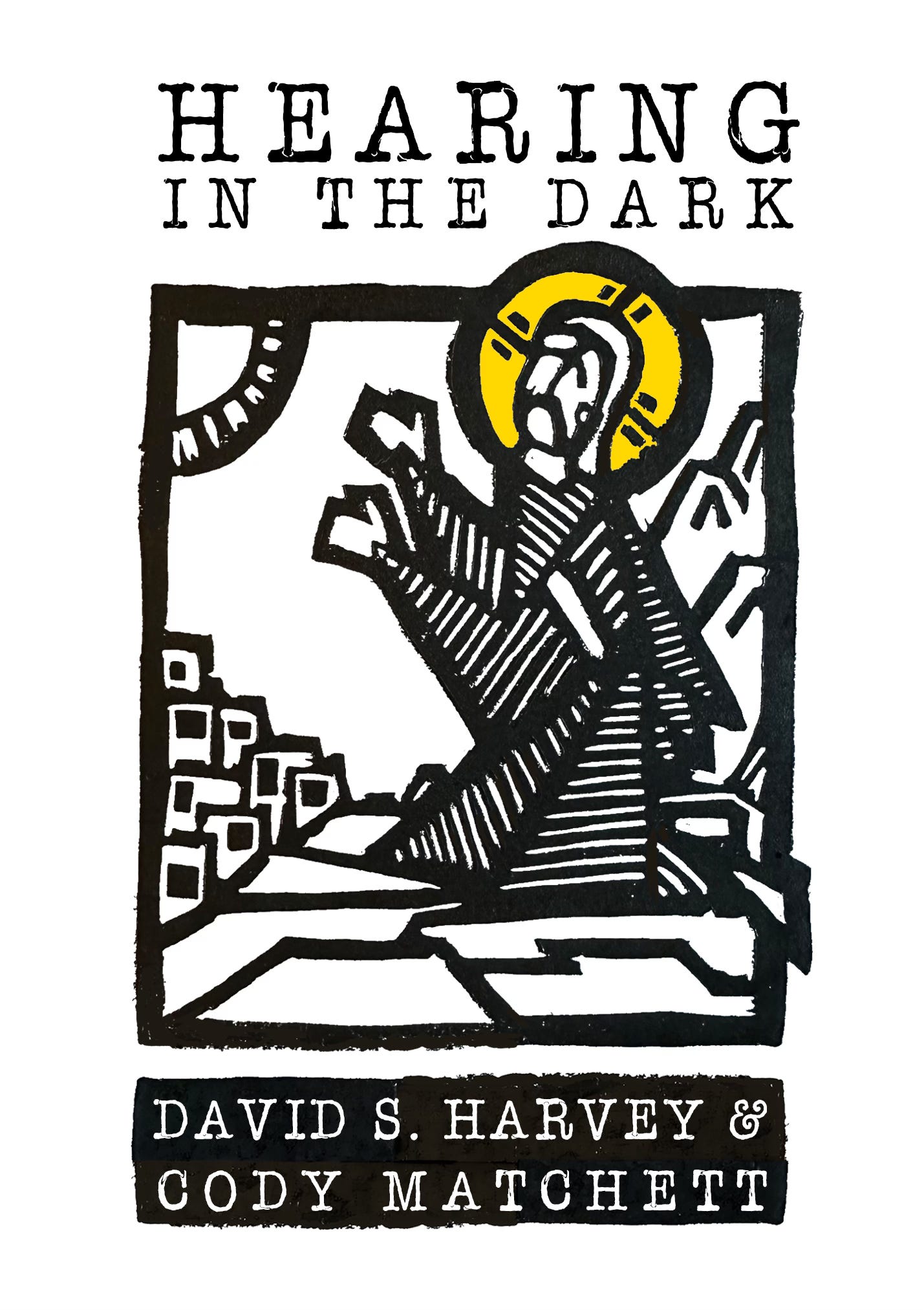
My new book, with Cody Matchett, Hearing in the Dark: Reflections on Christian Spiritual Formation is now out and available on Amazon. We’d love for you to pick up a copy and leave us a review. It’s a small book, easy to keep on a night stand for some bedtime reading, or drop in your bag to read during a quiet moment. We hope you like it.
Dietrich Bonhoeffer, The Cost of Discipleship, p.180.