
On Being Radiant
Christians as people of blessing | The Feast of Epiphany, Year A

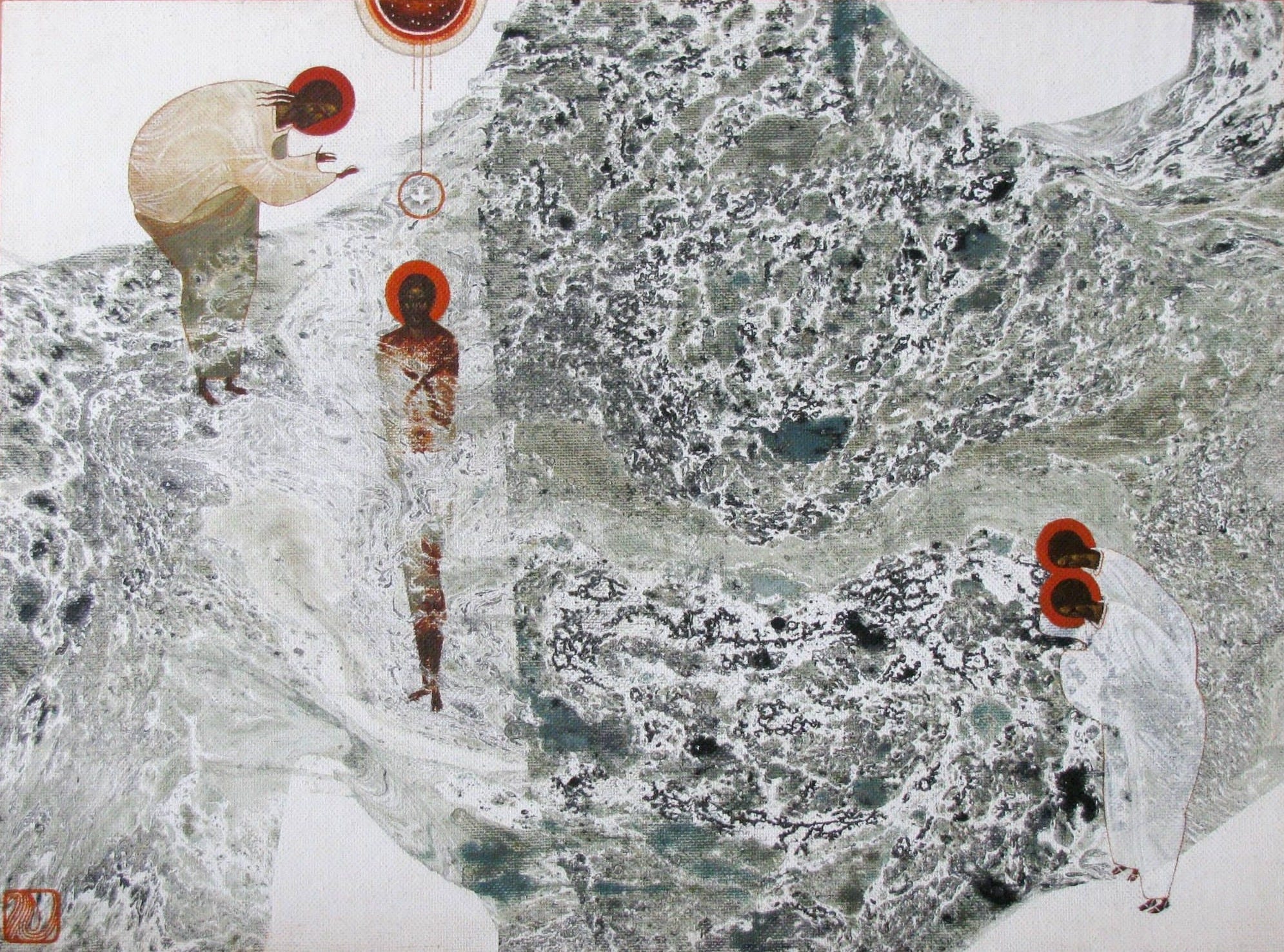
This sermon might seem slightly out of sequence because Epiphany was on Thursday. But we decided to celebrate this on our first midweek Word and Table service because we wanted to take the opportunity to pray Epiphany blessings around our Church building and for our people. This sermon preceded us doing that.
†
Isaiah 60:5 offers us this line about the result of the rising glory of the Lord:
“Then you shall see and be radiant.”
Something comes from the one upon whom the light of the Lord has shone. I think this is what the psalmist is imagining in the list of royal blessings from Psalm 72 — like rain that waters the earth, the deliverance to the needy, help to those with no helper, or the one who redeems the lives of the oppressed.
This notion of our radiance invites us to ponder something the Magi do. It’s not hidden. In fact, it’s about the only thing we know about them. They bring gifts. There are many reflections out there on the significance of the specific gifts that they bring. Church history is full of reflections of how the gifts speak of not only who Jesus is, but even point towards his death for us. The gifts of the Magi remind us just how Jesus will save us from our sins.
However, I want to think about the fact that they actually bring gifts. Their act of gift giving. They come with an intention to bless Jesus. They come to God’s gift with a gift. Of course there’s some proto-Eucharist theology being evidenced here — we bring our gifts of God to God, only for him to remind us that all gifts come from him, before returning those gifts to us as the sacred bread and wine of his body and blood. Gift giving with God (much like Derrida suggested about all gift giving!)1 is quite a cycle!
Epiphany invites us to bless. Christian tradition has been for some time now to mark C+M+B and the year on the lintels of our houses, remembering the initials of the legendary names of the Magi and an acronym from the latin for “May Christ bless this house.” So like the Magi on Epiphany, we are called to bless. Truthfully I really like the idea that one of the first things that happened to Jesus at his incarnation is that those who saw his light blessed him. They were radiant.

Christians are a people who bless. We are called to continue in the tradition of the Magi, who themselves are the modelling what scripture shows us of God. One catechism says:
From the beginning until the end of time the whole of God’s work is a blessing. From the liturgical poem of the first creation to the canticles of the heavenly Jerusalem, the inspired authors proclaim the plan of salvation as one vast divine blessing.2
From creation to the book of Revelation God is blessing everything to which he has given life. The Church’s response to this is for us to learn to be a blessing people. At the very root of what it is to be Christian, to be baptized into Christ, is the call to be a blessing and to bless (see. Genesis 12:2; Luke 6:28; Romans 12:14; 1 Peter 3:9). Blessing one another is not reserved just for the super-holy but a gift for the baptized. Understandably there are some blessings which we reserve for ministers and such, but that does not diminish our call to bless one another.
The question for us to decide is whether we think blessings are just nice words, or something more than that. The Magi help us answer that. Were their gifts “just nice gifts” or blessings of preparation? I really value how the Catholic Catechism frames it for us. Our prayerful blessings, “prepare us to receive grace and dispose us to cooperate with it.”3
Every blessing praises God, whether gold or myrrh, for a meal or any gift, and opens up our hearts to receive God’s gifts and grace, and draws us into participation with him. We are, as St Paul says in Ephesians 1:3, blessed with every spiritual blessing. So the Magi’s invitation for us, in this Epiphany season, and perhaps for the whole year, is for us, in the name of Jesus, to remember that there is almost nothing that we can lay our hands upon that cannot be blessed and dedicated to God.
Amen.
If you’d like to join as a paid subscriber and support my writing, then I’d deeply appreciate it. I use that support to fund a book project rather than create a paywall on new posts. Not everyone wants to take on a paid subscription though, I get that, but sometimes we all like the chance to say “thanks”. So there’s also a “buy me a book” option if you’d prefer.
For more on Derrida on gift giving, see: https://theopolisinstitute.com/leithart_post/derrida-on-gift/
Catechism of the Catholic Church, §1079.
I’m learning that some of the work done in John Paul II’s Catechism would be good reading for many in other traditions. For sure, non-Roman Catholics won’t agree with everything, but the theological weight of some of the creedal and sacramental work is outstanding.